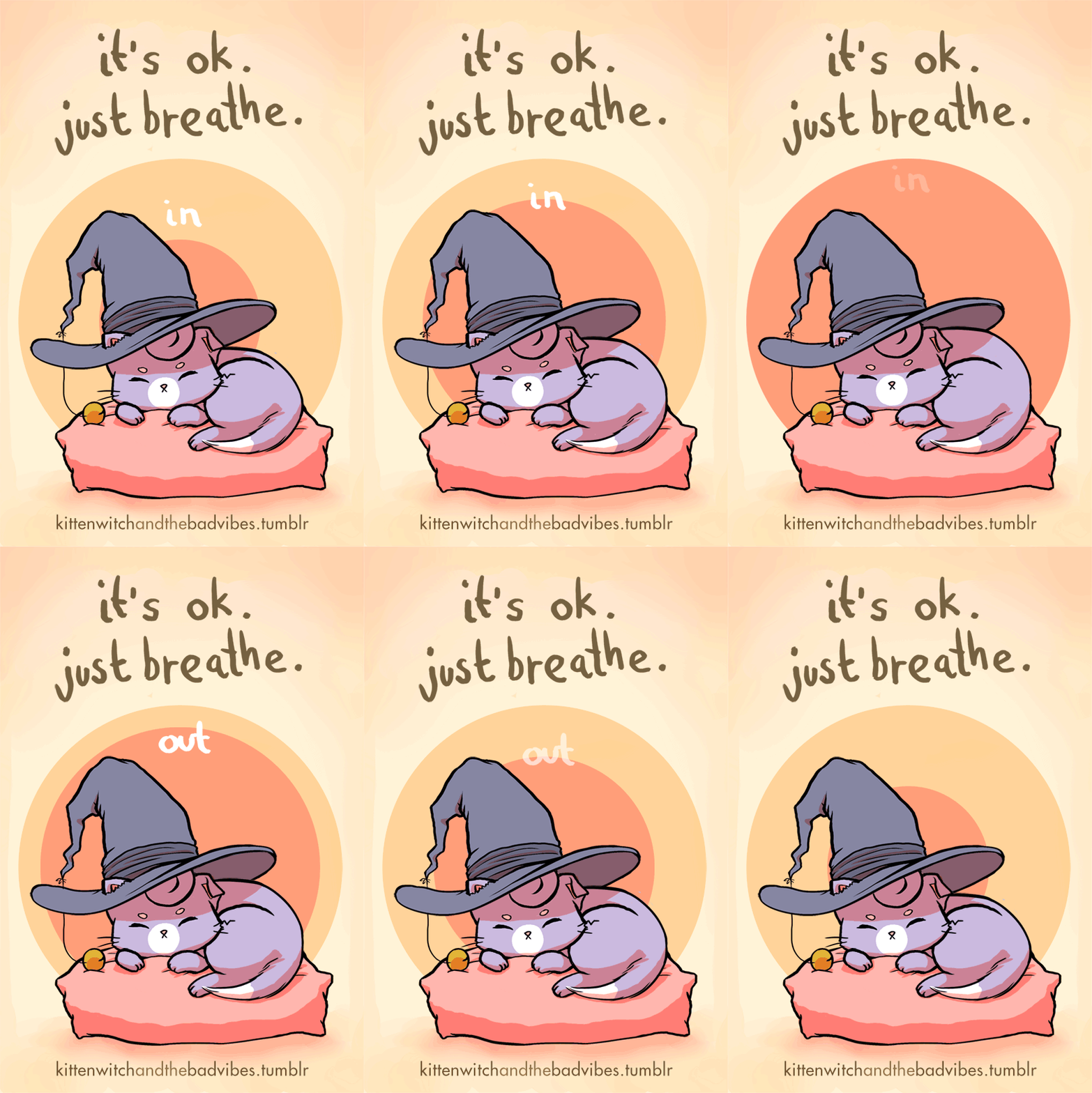
Counting your breaths can help to calm you down during an anxiety attack. Take slow, long breaths. In for 4 seconds, hold, out for 5. You’re doing great
going thru phone pics and found this thing that was tacked up next to the toaster at my old job, if anyone needs some light toast eating reading material
Would anyone be kind enough to transcribe this or link to a text version?
Everything Is AWFUL and I’m Not Okay: Questions to Ask Before Giving Up on Yourself
Are you hydrated?
If not, have a glass of water. Dehydration can mimic
or increase feelings associated with anxiety and a
well hydrated brain functions optimally. Avoid
excess caffeine.
Have you eaten in the past three hours?
Don’t be a victim of hanger! Get some food–something
with protein, not just simple carbs or
high-fat. Nuts, hummus, and veggies are great
options to feed your studying brain. Keep healthy
snacks within reach to avoid mindlessly chowing
down on sweets.
Have you stretched your legs in the past day?
If not, do so right now. If you don’t have the energy
or time for a run or a trip to the gym, just walk
around the block or building. Even minimal exercise
preps the mind for learning so that you can focus
better and recall things easier, plus it’s good to get a
change of scenery.
Have you said something nice to someone in the
past day?
Do so, whether online or in person. Make it
genuine! We bet your study partner would
appreciate a compliment.
Have you moved your body to music in the past
day?
If not, jog for the length of a song at your favorite
tempo, or just dance around your bedroom for the
length of an upbeat song (singing along is a bonus)
Have you cuddled a living being in the past two
days?
If not, do so. Don’t be afraid to ask for hugs from
friends of friends’ pets. Most of them will enjoy the
cuddles too; you’re not imposing.
Have you started or changed any medications in the
past couple of weeks, including skipped doses or a
change in generic prescription brand?
That may be screwing with your head. Give things a
few days, then talk to your doctor if it doesn’t settle
down.
If daytime: are you dressed?
If no, put on clean clothes that aren’t PJs. Give
yourself permission to wear something special,
whether it’s a funny t-shirt or a pretty dress.
If nighttime: are you sleepy and fatigued but
resisting going to sleep?
Put on PJs, make yourself cozy in bed with a teddy
bear and the sound of falling rain, and close your
eyes for fifteen minutes while focusing on breathing
deeper with every breath- no electronic screens
allowed! Adequate sleep is a necessity for stress
management.
Do you feel ineffective?
Pause right now and get something small completed,
whether it’s responding to an email, loading the
dishwasher, or tidying up your room. Good job!
Do you feel unattractive?
Take a darn selfie. Your friends will remind you how
great you look. You are always insta-worthy.
Do you feel paralyzed by indecision?
Give yourself ten minutes to sit back and figure out a
game plan for the day. If a particular decision or
problem is still being a roadblock, simply set it aside
for now, and pick something else that seems doable.
Right now, the important part is to break through
that stasis, even if it means doing something trivial.
Have you over-exerted yourself lately–physically,
emotionally, socially, or intellectually?
That can take a toll that lingers for days. Give
yourself a break in that area, whether it’s physical
rest, taking some time alone, or relaxing with some
silly entertainment for a little. Time spent refreshing
yourself is never time “wasted!”
Have you waited a week?
Sometimes or perception of life is skewed, and we
can’t even tell that we’re not thinking clearly, and
there’s no obvious external cause. It happens. Keep
yourself going for a full week, whatever it takes, and
see if you still feel the same way then.
You’ve made it this far; and you will make it through. You are stronger than you think.
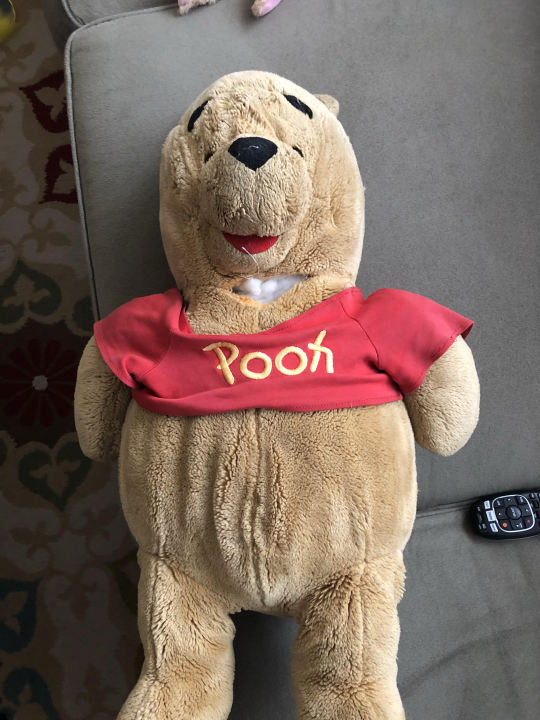
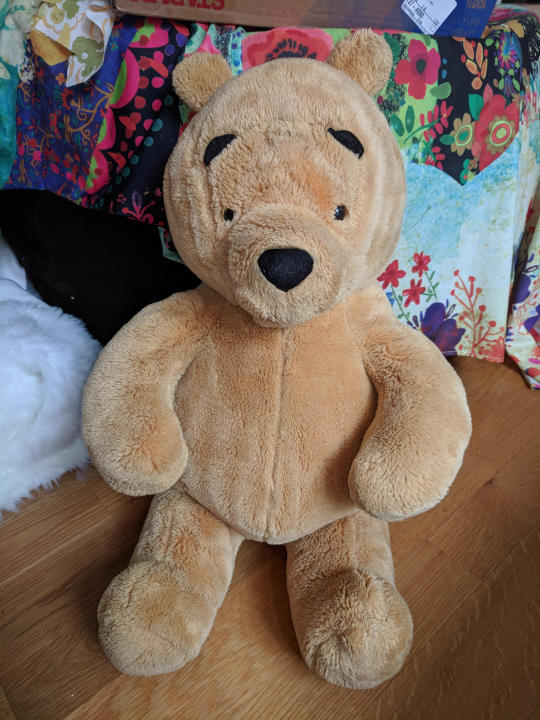
I see many Winnie the Poohs at the hospital (aka Winnie aka Pooh aka Pooh Bear), as you may guess. Many look like this, a bit flat and with small wounds, designed to have a removable shirt:
They come for spas:
New hearts and stuffing:
And plumping up so they have a proper belly again:
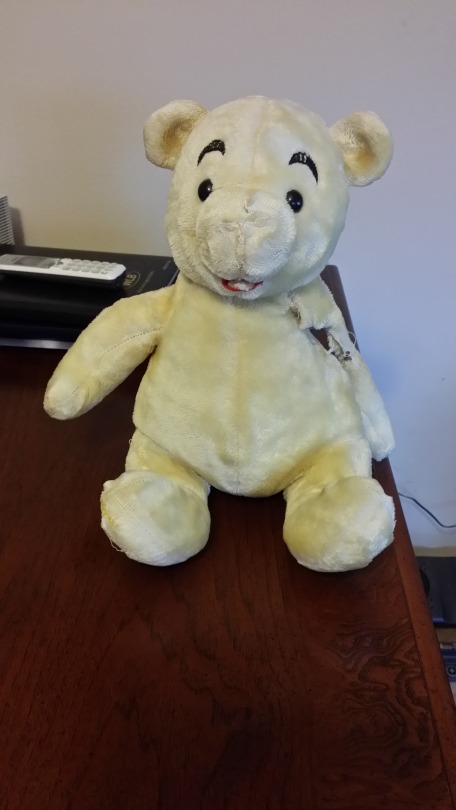
Sometimes they look like this:
A bit more loved… or as his person said, in more “desperate condition”.
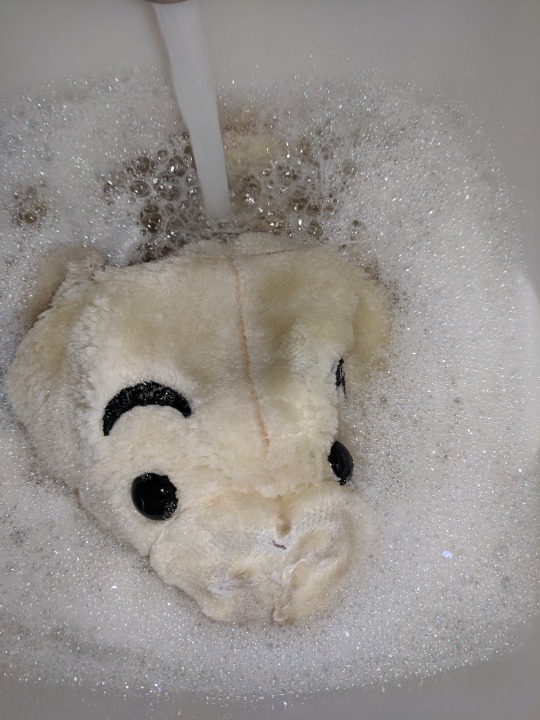
He also had a spa (not everyone does):
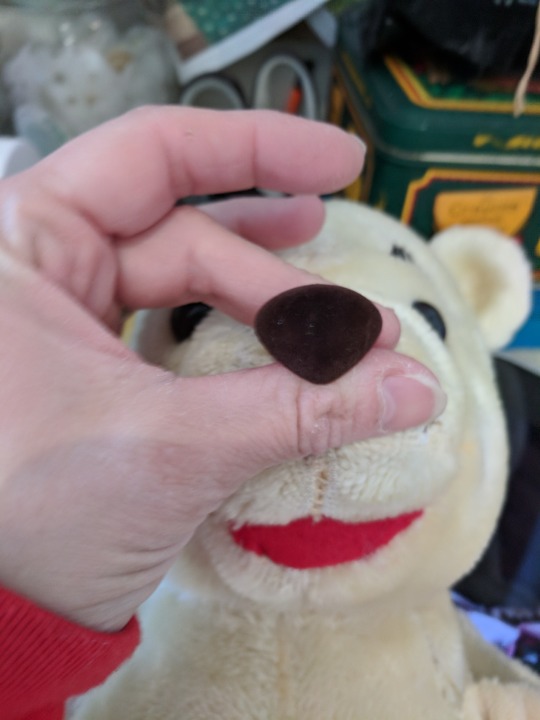
As you may’ve noticed, he needed a new nose and there were several options:
His heart had a pooh on it as well as some magic from a heffalump:
And after a bit of arm and smile surgery, soon he was healthy and ready to fly home:
His person wrote “He looks wonderful!”
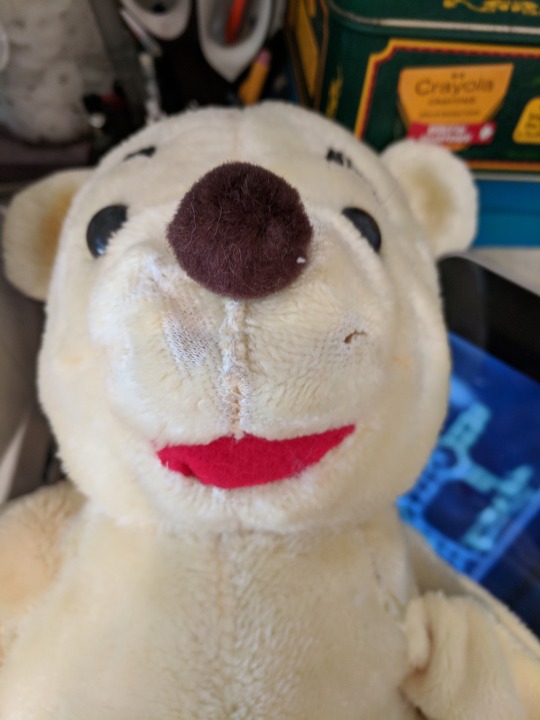
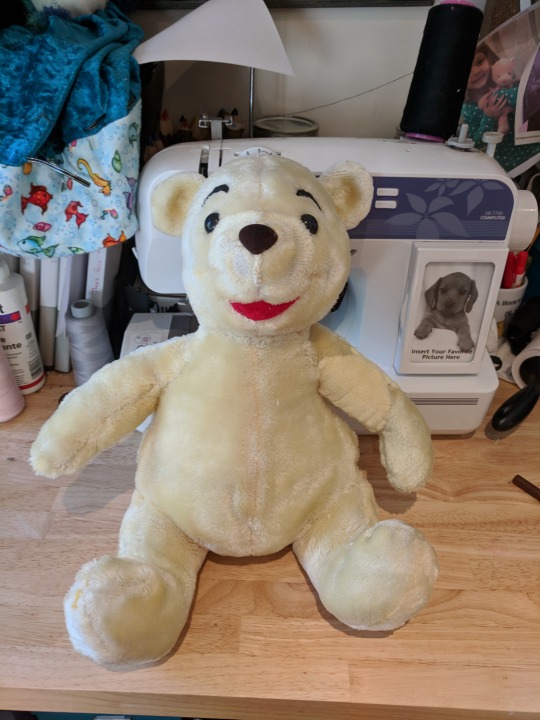
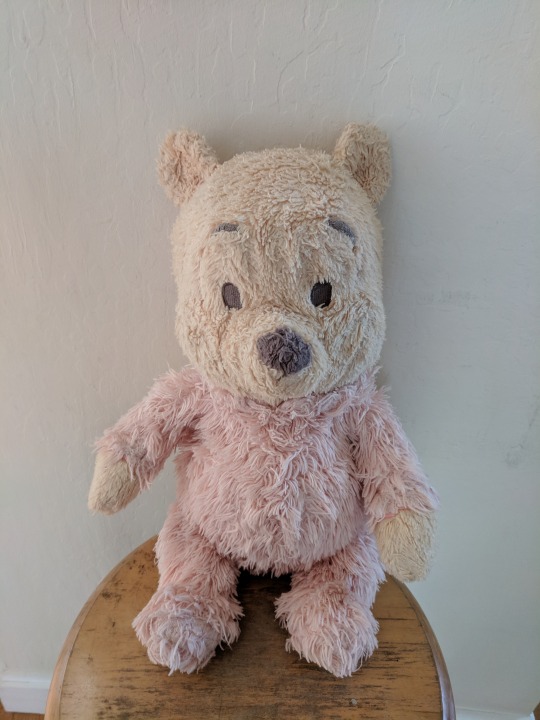
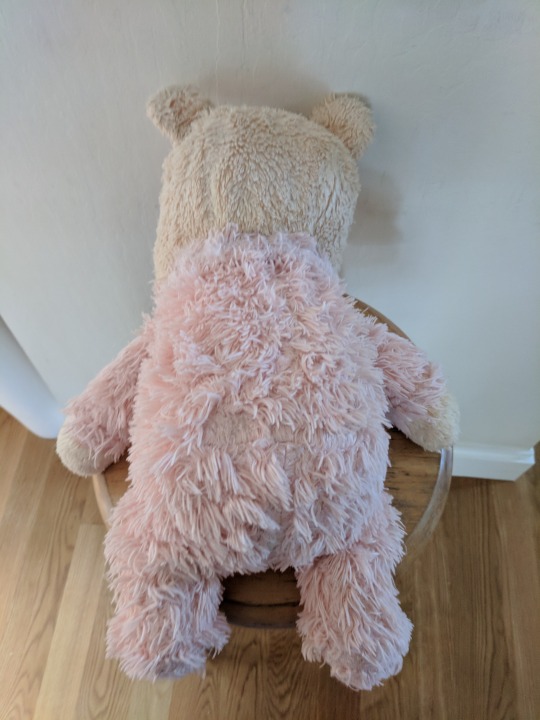
The final Pooh I’m going to show you today just flew home yesterday. He is always called Pooh Bear. He is 14 years old and showed every year of hugs.
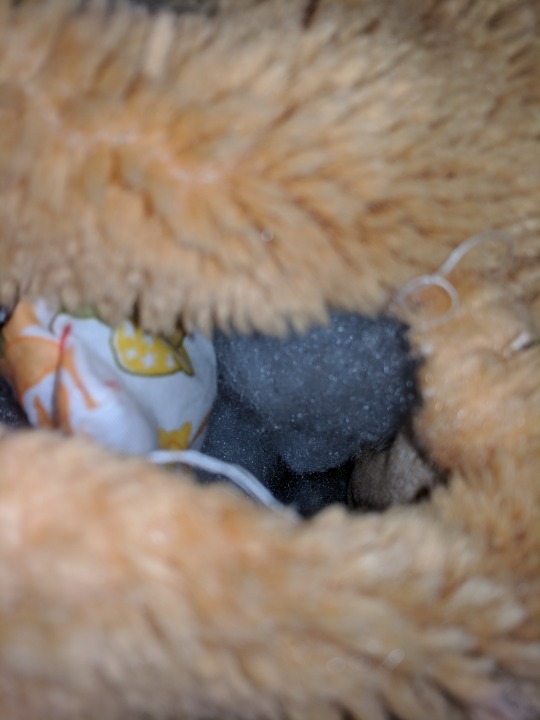
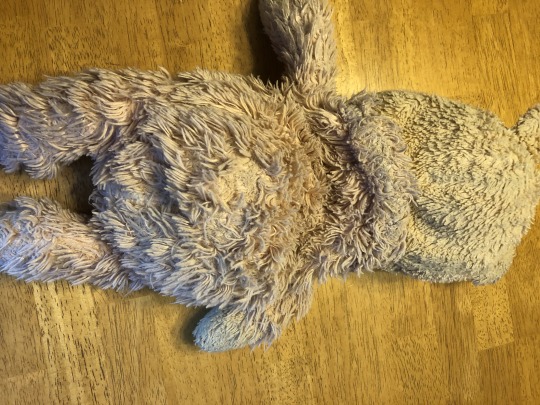
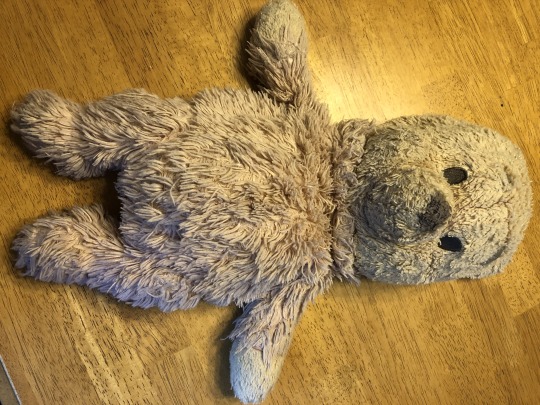
Here are the photos his person’s mom sent for diagnosis:
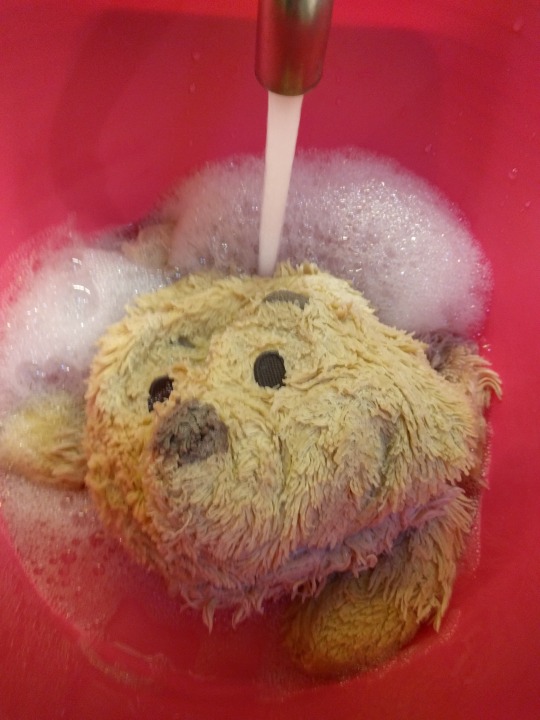
As you can see, Pooh Bear was a bit flat and a bit gray. He came in for a spa:
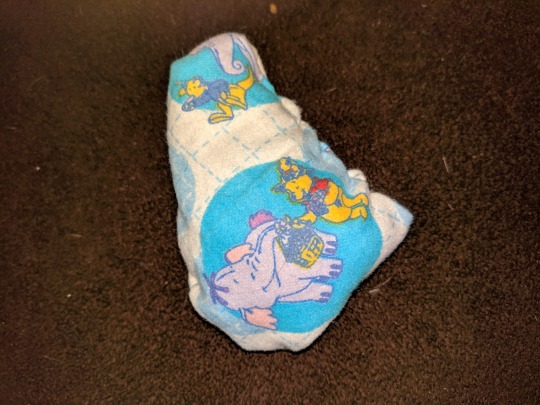
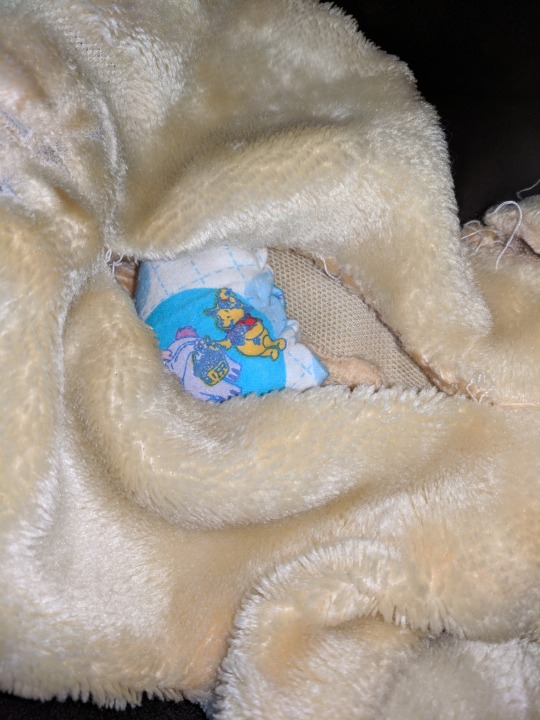
Got new stuffing and a magical Heffalump heart to preserve a bit of his original stuffing:
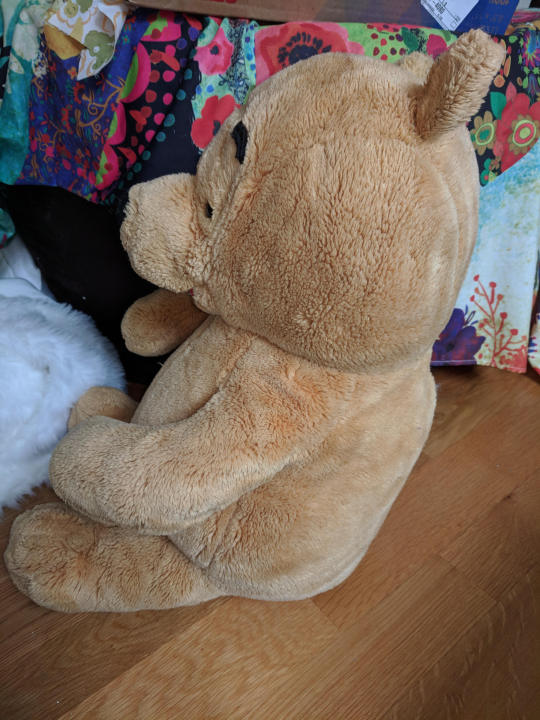
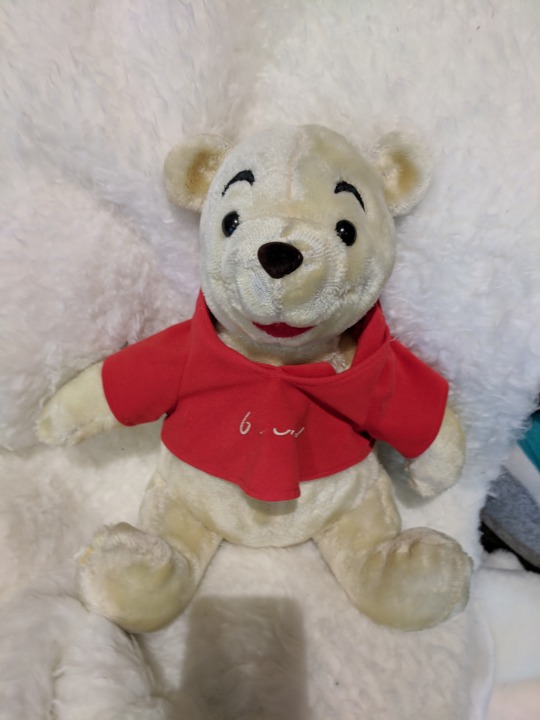
And finally was clean and plump and fluffy and ready to fly home:
He could even sit on his own! His people said his chubbiness was perfect and as I said, he flew home yesterday!
Some of you guys told me that my drawings of pocket Steeb and Bucko help you to cheer up, so I decided to make these motivational pictures with them UwU
catch of breath, choke, gulp, heave, inhale, pant, puff, snort, wheeze, huff, rasp, sharp intake of air, short of breath, struggle for breath, swallow, winded
Do an
outline, whatever way works best.
Get yourself out of the word soup and know where the story is headed.
Conflicts
and obstacles. Hurt the protagonist, put things in their way, this keeps
the story interesting. An easy journey makes the story boring and boring is
hard to write.
Change
the POV. Sometimes all it takes to untangle a knotted story is to look at
it through different eyes, be it through the sidekick, the antagonist, a minor
character, whatever.
Know the
characters. You can’t write a story if the characters are strangers to you.
Know their likes, dislikes, fears, and most importantly, their motivation. This makes the path clearer.
Fill in
holes. Writing doesn’t have to be linear; you can always go back and fill in plotholes,
and add content and context.
Have
flashbacks, hallucinations, dream sequences or foreshadowing events. These
stir the story up, deviations from the expected course add a feeling of urgency
and uncertainty to the narrative.
Introduce
a new mystery. If there’s something that just doesn’t add up, a big question mark, the story becomes more
compelling. Beware: this can also cause you to sink further into the mire.
Take
something from your protagonist. A weapon, asset, ally or loved one. Force
him to operate without it, it can reinvigorate a stale story.
Twists
and betrayal. Maybe someone isn’t who they say they are or the protagonist
is betrayed by someone he thought he could trust. This can shake the story up
and get it rolling again.
Secrets. If
someone has a deep, dark secret that they’re forced to lie about, it’s a good
way to stir up some fresh conflict. New lies to cover up the old ones, the
secret being revealed, and all the resulting chaos.
Kill
someone. Make a character death that is productive to the plot, but not “just because”. If done well, it affects
all the characters, stirs up the story and gets it moving.
Ill-advised
character actions. Tension is created when a character we love does
something we hate. Identify the thing the readers don’t want to happen, then
engineer it so it happens worse than they imagined.
Create cliff-hangers. Keep the readers’ attention by putting the characters into new problems and
make them wait for you to write your way out of it. This challenge can really
bring out your creativity.
Raise the
stakes. Make the consequences of failure worse, make the journey harder.
Suddenly the protagonist’s goal is more than he expected, or he has to make an
important choice.
Make the
hero active. You can’t always wait for external influences on the
characters, sometimes you have to make the hero take actions himself. Not
necessarily to be successful, but active
and complicit in the narrative.
Different
threat levels. Make the conflicts on a physical level (“I’m about to be
killed by a demon”), an emotional level (“But that demon was my true love”) and
a philosophical level (“If I’m forced to kill my true love before they kill me,
how can love ever succeed in the face of evil?”).
Figure
out an ending. If you know where the story is going to end, it helps get
the ball rolling towards that end, even if it’s not the same ending that you
actually end up writing.
What if?
What if the hero kills the antagonist now, gets captured, or goes insane? When
you write down different questions like these, the answer to how to continue the
story will present itself.
Start
fresh or skip ahead. Delete the last five thousand words and try again. It’s
terrifying at first, but frees you up for a fresh start to find a proper path. Or
you can skip the part that’s putting you on edge – forget about that fidgety
crap, you can do it later – and write the next scene. Whatever was in-between
will come with time.
*Blinks* I-I’m not the only one to call writer’s block needing to un-stick the story?







 themusechronicles